In brief
Munich mostly takes cards now, but not everywhere, and knowing which places do not is worth more than knowing the tipping percentage. In a sit-down restaurant, rounding up the bill is standard, with 5 to 10 percent considered appropriate and closer to 10 percent for fine dining, handed to the server directly rather than left on the table. Every drink bottle or can carries a deposit, legally fixed at 25 cents for single-use containers and typically 8 or 15 cents, occasionally up to €1, for reusable ones. At Oktoberfest specifically, four of the largest tents take cash only. This page is the actual rules, not the vague “Germany loves cash” line every travel blog repeats.
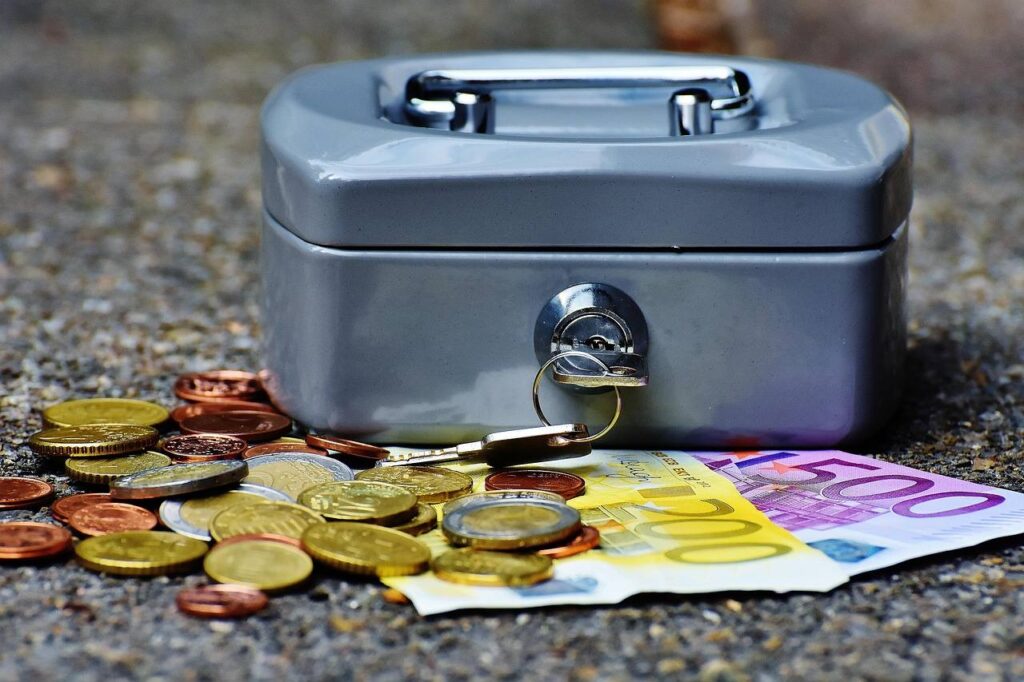
Card acceptance in Munich is better than its reputation and worse than you will assume if you are coming from a country where a card works everywhere, including the corner bakery. The gap between those two assumptions is where a trip goes briefly sideways, usually at a till with a line behind you. This page covers the three things that actually change how you pay here: tipping, the bottle deposit every drink carries, and the small, specific list of places that still want cash. For the wider question of what else the city expects of you, my first-trip guide and my Sundays guide cover the other rules nobody explains at the airport.
Tipping: round up, and hand it over
There is no fixed percentage required anywhere in Germany, and tipping is treated as a voluntary acknowledgment of good service rather than an obligation. In a sit-down restaurant, rounding the bill up is standard practice among locals, with 5 to 10 percent considered generous and closer to 10 percent expected at a nicer restaurant1. The mechanics matter as much as the number: you tell the server the total you want to pay, cash or card, rather than leaving money on the table the way you might elsewhere1.
Outside restaurants, the same source’s guidance for hotels runs: €1 to €2 per bag for a porter, €2 to €3 a day for housekeeping, and €5 to €10 for concierge help. For taxis, tipping is not expected but locals commonly round the fare up to the nearest euro1.
Resi says A round-up is not an insult and it is not a windfall; it is just what everyone does, and doing exactly that is the least conspicuous way to behave like you have been here before.
The Pfand: a deposit on nearly everything you drink
Almost every bottle and can sold in Germany carries a returnable deposit, and the amount depends on the type of container, not the drink inside it. Single-use plastic bottles and beverage cans carry a legally fixed deposit of 25 cents each2. Reusable, or Mehrweg, bottles carry a deposit set by the manufacturer rather than fixed by law, typically around 8 cents for something like a 0.5-liter beer bottle or 15 cents for a larger 1-liter bottle, though some reusable formats run as high as €12.
Return the empties to almost any supermarket’s deposit machine and you get the amount back as store credit or cash; a stack of bottles from a few days of a trip is a few euros you are otherwise leaving on the table, in the most literal sense.
Cash-only corners: mostly the beer tents
Card acceptance across ordinary Munich shops, cafés and restaurants is common enough that you can plan around a card as your default. The clearest documented exception is Oktoberfest, where four of the large beer tents, Augustiner Festzelt, Bräurosl, Löwenbräu and the Ochsenbraterei, take cash only; Augustiner has its own ATM inside for exactly this reason3. Most of the remaining tents take a mix of cash and card, and ATMs sit at the festival entrances with a €1,000 daily withdrawal cap3. Individual rounds inside any tent tend to be settled in cash on the spot regardless of the tent’s broader card policy, since a waitress carrying ten liters of beer at once is not stopping to run a card machine table-side.
Resi says Carry more cash into a beer tent than you think you need, in useful small denominations, and treat a card as a backup rather than your only plan for the day. This is the one place in Munich where “Germany is a cash country” is still mostly true.
How much cash to actually carry
There is no official figure for this, because it depends entirely on your plans, but the logic is straightforward once you know where the cash-only pockets are. A day built around museums, the Residenz, or a sit-down restaurant needs very little cash beyond a tip round-up and bus or train fare, since a card covers nearly everything else. A day that includes a beer tent, a market stall, or a small bakery needs more, because those are exactly the categories where a card sometimes fails or simply is not offered. Withdraw what a single day at Oktoberfest or the Viktualienmarkt might cost, in cash, rather than assuming the nearest ATM will be convenient once you are inside a packed tent; the machines at the festival gates have a €1,000 daily cap, which tells you they exist for people who under-planned rather than people who plan to use them as their main source of cash3.
Where a card is likely to fail you
Beyond the Oktoberfest tents named above, the same logic applies more quietly at smaller businesses across the city: bakeries, market stalls at the Viktualienmarkt, some beer gardens, and the occasional older café still run on a cash-preferred or cash-only basis, without posting a sign about it until you are at the counter with your card already out. None of this is documented on any single official page the way the Oktoberfest tent list is, so treat it as a pattern rather than a rule: the smaller and more traditional the business, the more likely cash is what settles the bill, and a card is the safer default only at the larger, more visibly modern places.
Frequently Asked Questions
Does Munich accept credit cards?
Mostly, yes, at ordinary shops, cafés and restaurants. The clear exception is a handful of large Oktoberfest beer tents that take cash only.
How much should I tip in Munich?
There is no required percentage. Rounding the bill up is standard, with 5 to 10 percent considered appropriate, handed to the server directly rather than left on the table.
What is the Pfand in Germany?
A returnable deposit on drink bottles and cans: 25 cents for single-use containers, and typically 8 to 15 cents, occasionally more, for reusable bottles.
How do I get my Pfand deposit back?
Return empty bottles and cans to a supermarket’s deposit machine, which refunds the amount as store credit or cash.
Which Oktoberfest tents are cash only?
Augustiner Festzelt, Bräurosl, Löwenbräu and the Ochsenbraterei. Most other tents accept a mix of cash and card.
Is there an ATM at Oktoberfest?
Yes, at the festival entrances, with a €1,000 daily withdrawal cap. Augustiner Festzelt also has its own ATM inside the tent.
Do taxis in Munich expect a tip?
It is not obligatory, but locals commonly round the fare up to the nearest euro.
Related Articles
 Munich for a First Trip: What Is Worth It, What Is Not, and How the City WorksMunich
 Sundays in Munich: What Is Closed, What Is Open, and the One-Euro MuseumsMunich
 Munich Public Transport Explained: Zones, Tickets, the Deutschlandticket and the Bayern-TicketMunich
 Bavarian Manners: Tipping, Quiet Hours, Sundays and PfandTrachten and customs
 How Much Does Oktoberfest Cost? A 2026 Budget in Euros and DollarsOktoberfest
 Oktoberfest Without a Reservation: How the Unreserved Seats Work and When to Show UpOktoberfest
 Is the Munich CityTourCard Worth It? The Math for Two DaysMunich
Sources
- Tipping in Berlin — Berlin.de, official tourism portal of the City of Berlin. Accessed 2026-09-27.
- FAQs: single-use and reusable deposits — German Federal Ministry for the Environment. Accessed 2026-09-27.
- FAQs for Wiesn visitors — oktoberfest.de, City of Munich. Accessed 2026-09-27.