In brief
Rouladen is a thin slice of beef spread with mustard, rolled around bacon, onion and a dill pickle, then braised low and slow until it is fall-apart tender. It sits on nearly every Bavarian restaurant menu next to Schweinsbraten and Schweinshaxe, but the dish itself is not a Bavarian invention: the name comes from the French for a roll, and it is documented nationwide, with named regional cousins from the Rhineland to Saxony to the German coast. Achim “Chef Keem” Thiemermann, the Austin chef this site’s food-trailer name belongs to, posted his own method for it in 2010, and the one rule he gave has not changed: sear the rolls hard before they braise. The gravy comes out of the same pot the rolls braised in, so there is no second pan to wash.
Disclosure: some links on this page are affiliate links, marked by the products, tours and hotels they name. As an Amazon Associate, bavarianbistro.com earns from qualifying purchases. A purchase through these links may earn the site a commission at no cost to you, and it never affects what is recommended. How this works. Product prices and availability shown are as of the date stated and can change; the Amazon price at checkout applies.
Put Rouladen on a menu between Schweinshaxe and a bowl of warm potato salad and nobody blinks. It looks exactly like it belongs: thin beef, rolled tight, sitting in a dark gravy, ordered by people who are also drinking a Maß. That is a fair assumption and it is wrong. Rouladen’s roots are outside Bavaria, and Bavaria simply never stopped ordering it, which is a form of loyalty I respect more than most claims of authenticity. It has a page of its own in my guide to Bavarian food, sitting between the dishes Bavaria actually invented and the ones, like this one, it adopted and never let go of.
This page also carries some history of its own. It replaces a much shorter post from 2010, when this address belonged to a food trailer in Austin, Texas, and its owner used it to point people at a rouladen video. That owner is Achim Thiemermann, known to his customers as Chef Keem, and his method is still the one this page teaches, in more detail than a trailer parked on a lunch line ever had time for.
Where Rouladen actually comes from
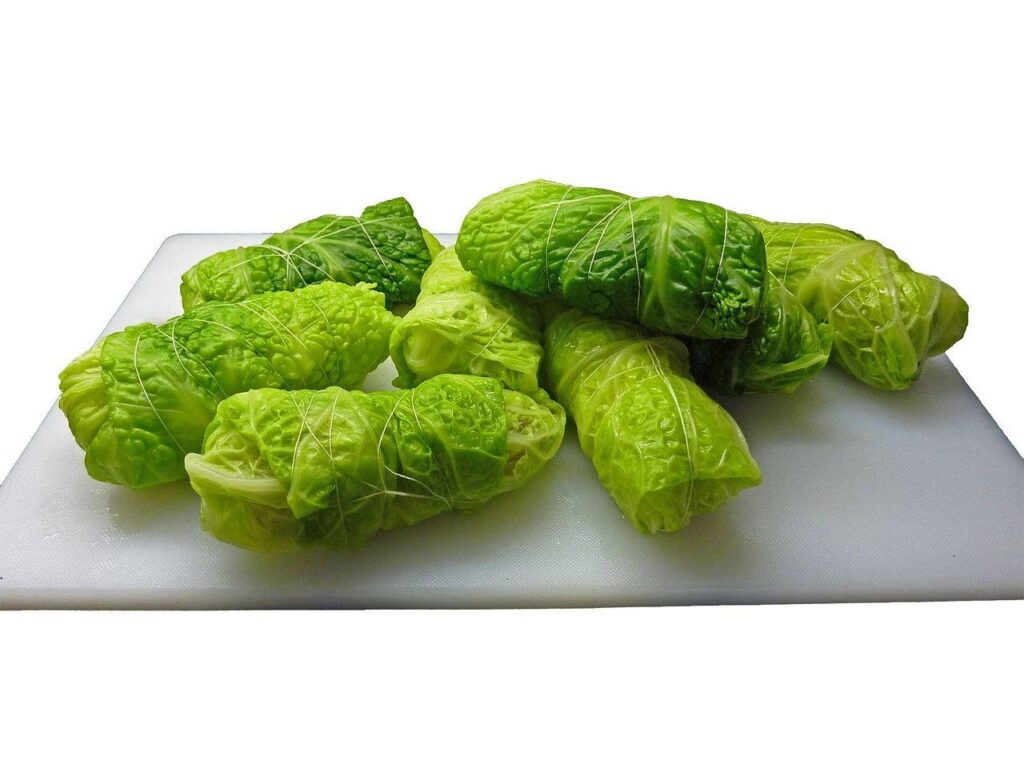
The word is French before it is German. “Roulade,” from “rouler,” to roll, worked its way into German kitchens in the eighteenth and nineteenth centuries as a way to make a tough, cheap cut of beef worth eating, by rolling it around a filling and braising it slowly until the connective tissue gives up. Classic beef Rouladen, filled with bacon, onion, mustard and a pickle and braised in beef broth, is documented as a nationwide dish rather than a regional one, and it has named relatives with their own fillings: Sauerbraten Rouladen from the Rhineland in a sweet-sour marinade, cabbage-wrapped Kohlrouladen, a pork version called Schweinerouladen out of Saxony, and a fish Rouladen from the coast that a Bavarian kitchen has never touched1.
Bavaria’s own repertoire runs to roasts and sausages, not rolls, so Rouladen arrived from somewhere else and stayed because it is good, not because anyone in Munich claims to have invented it. I have never heard a Bavarian argue that Rouladen is theirs the way they will argue about Schweinebraten’s gravy. It is simply on the menu, unbothered by the question of where it is from, which is more self-possession than most dishes manage.
Chef Keem's method
Before this address belonged to a Bavarian food guide, it belonged to Chef Keem’s Bavarian Bistro, a German food trailer that Achim Thiemermann and a few friends ran in Austin for one summer. He posted his Rouladen method here himself, in 2010, and the instruction he gave was short and specific: “sear the beef rolls properly for maximum flavor.” I have cooked this dish his way ever since I took over the page, and the method below is his, written out in full for the first time.
Start with beef cut for rolling, top round or a similar lean cut, and pound it thin and even with a mallet until it gives like a cutlet rather than a steak. OXO’s Good Grips meat mallet is the one for this, a plain dual-sided tool with a grip that will not slip out of a wet hand; it runs $14.95 as of September 20262. Spread a coarse mustard over one side of the meat, all the way to the edges, then lay a strip or two of bacon along the near edge, followed by a scatter of chopped onion and a few strips of dill pickle running the length of the roll. Roll it up tight, pickle end first, and close it with a toothpick or a length of kitchen string. Neither method is more correct than the other, and nobody at the table can tell which one you used once the plate is in front of them.
Chef Keem’s instruction is where most home cooks go wrong, and it has nothing to do with the filling. The pan and the fat need to be properly hot before the rolls go in, and the rolls go in a few at a time, never all at once, because a crowded pan drops in temperature and steams the meat instead of browning it. My browning meat page goes into why that matters for any braise, not only this one. Sear each roll on every side until the crust is dark and a little crackled, not black, then lift the rolls out and set them aside while the fond, the browned residue stuck to the pan, waits for the braising liquid to pick it up.
Return the rolls to the pot, add enough beef broth to come about halfway up their sides, cover, and let them go low and slow on the stovetop or in a moderate oven until a fork slides through with no resistance, which usually takes an hour and a half to two hours depending on the cut. Lift the rolls out onto a plate, strain the braising liquid if you want it smooth, and thicken it with a spoonful of flour worked into softened butter, whisked in over low heat until it coats a spoon. That is the entire gravy. No separate stock, no separate pan, no extra dish to wash before dinner is on the table.
Resi says A meat mallet earns its cupboard space on more than one page of this site; it is what flattens a schnitzel and what flattens this. If you are buying one anyway, get OXO’s Good Grips version. It is dual-sided, dishwasher safe, and the non-slip grip matters more than it sounds like it should once your hand is buttery. Its one real limit is that it is light for the price, so a genuinely tough cut still wants patience and a few extra passes rather than brute force.
Sides that belong on the plate
Rouladen produces a gravy that wants something under it to soak it up, and Bavaria has two correct answers. My Bavarian potato salad page covers the vinegar-and-broth version Bavaria actually serves, which holds up to gravy far better than anything made with mayonnaise. If you would rather have a dumpling, my Knödel page sorts the bread version from the potato version and tells you which one goes with which roast. Either one turns this into a full plate rather than a plate of beef rolls with nothing underneath them.
Frequently Asked Questions
Is Rouladen a Bavarian dish?
Not originally. Its roots are usually traced to the Rhineland and it is documented as a nationwide German dish with regional variants, not a specifically Bavarian one, though it appears on Bavarian menus as often as anything the region actually invented.
What is the filling in Rouladen?
The classic filling is mustard spread on the meat, then bacon, chopped onion and a dill pickle rolled up inside it, braised in beef broth until tender.
Can I make Rouladen without toothpicks?
Yes. Kitchen string works exactly as well and is easier to remove cleanly before serving; use whichever one you already own.
What cut of beef is best for Rouladen?
A lean, inexpensive cut suited to rolling and slow braising, such as top round, pounded thin with a meat mallet so it rolls without tearing.
Do I need a special pan to sear the rolls?
No, but a pan that holds and releases heat evenly makes a visible difference, and the same pan does double duty on the browning meat page for stews and roasts.
What do you serve with Rouladen?
Bavarian potato salad or Knödel are the two standard answers, both there to catch the gravy the rolls braise in.
Is Chef Keem's Rouladen recipe still on this site?
Yes, rewritten in full on this page and credited to him by name; he posted the original short version here himself in 2010, before the food trailer closed and the domain changed hands.
Related Articles
 Bavarian Food: The Dishes, How Munich Eats Them, and What to Cook at HomeFood
 Browning Meat: The Flavor-Building Step Behind Goulash, Stews and RoastsFood
 Schweinebraten: Bavaria’s Pork Roast with Dark Beer GravyFood
 Schweinshaxe: Crackling Pork Knuckle, the Beer-Hall WayFood
 Bavarian Potato Salad: Vinegar and Broth, Never MayonnaiseFood
 Knödel: Bread Dumplings, Potato Dumplings and Which Goes with WhatFood
 Chef Keem’s Bavarian Bistro Recipes: The Collection from the Austin Food TrailerFood
 Cooking Bavarian in North America: Where to Buy the Ingredients and the Tools That MatterPantry and tools
Sources
- Everything Rouladen — Germany Footsteps. Accessed 2026-09-27.
- OXO Good Grips Meat Tenderizer — Amazon.com. Accessed 2026-09-27.