In brief
Germany does not have one drinking age; it has two, plus an exception most tourist sites skip. Beer, wine and sparkling wine may not be sold to or consumed by anyone under 16, while spirits and other alcoholic drinks are restricted to 18 with no exceptions at all. The one wrinkle worth knowing: a 14- or 15-year-old, legally a “Jugendlicher” rather than a “Kind” under German law, may be given beer or wine if accompanied by a parent or legal guardian, while a child under 14 may not, accompanied or not. None of this changes anything for an adult North American visitor beyond knowing what the law actually protects.
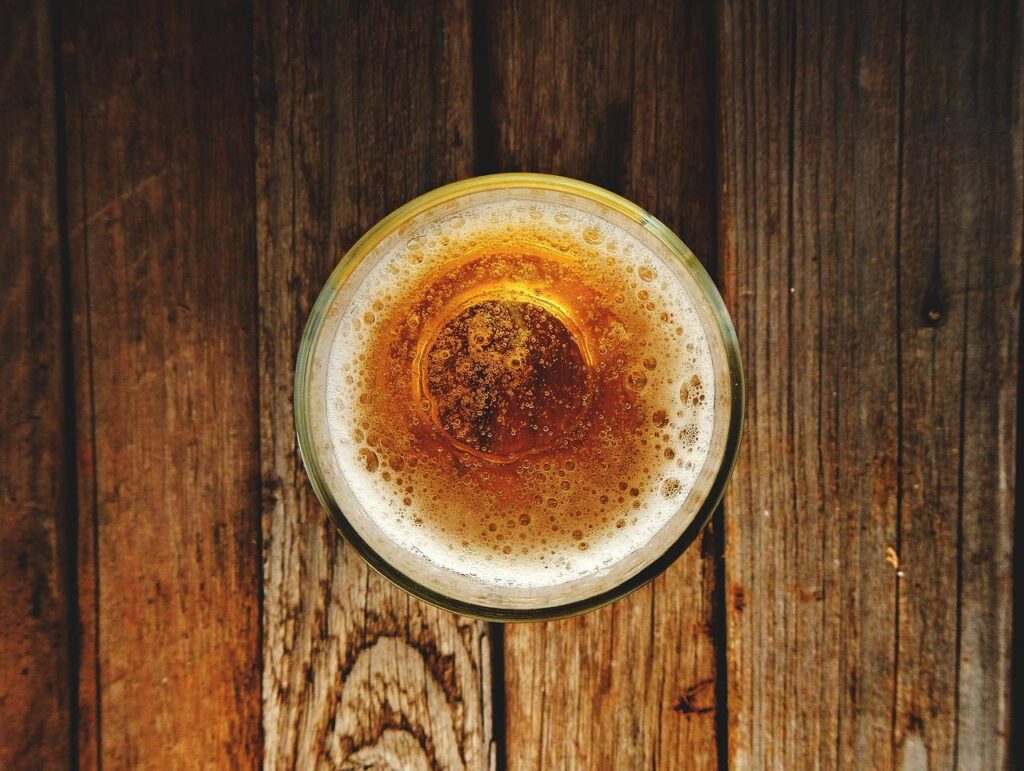
Every guidebook mentions that Germany’s drinking age is lower than America’s, and most of them stop at “16 for beer.” The actual law is more specific than that, and the specifics matter if you are traveling with teenagers or just want to know what a bartender is legally allowed to do. This page goes through Germany’s Youth Protection Act as written, not as summarized secondhand. It is part of my complete guide to Bavarian beer, which covers the styles and traditions this law exists to regulate.
What the law actually says
The relevant statute is Section 9 of the Jugendschutzgesetz, Germany’s Youth Protection Act, and it is worth reading in its own terms rather than through a paraphrase. Beer, wine, wine-like drinks and sparkling wine, along with any mixed drink combining them with a non-alcoholic beverage, may not be sold to or consumed by anyone under 16, in a restaurant, a shop, or in public generally. Spirits and any other alcoholic drink fall under a separate, stricter rule: they may not be sold to or consumed by anyone under 18, full stop, with no accompaniment exception written into the law at all1.
The exception almost nobody explains correctly
Here is the detail most secondhand summaries flatten out. German law does not treat everyone under 18 as one category; it defines a “Kind,” a child, as anyone not yet 14, and a “Jugendlicher,” an adolescent, as anyone who is 14 but not yet 182.
Section 9’s accompaniment exception is written to apply specifically to Jugendliche: “Absatz 1 Nummer 1 gilt nicht, wenn Jugendliche von einer personensorgeberechtigten Person begleitet werden,” meaning the under-16 restriction on beer and wine does not apply when a 14- or 15-year-old is accompanied by a person with custodial rights, ordinarily a parent or legal guardian. A child under 14 gets no such exception under any circumstance1. In practice, that means a 15-year-old at a table with a parent can legally be served a beer in a German restaurant, while a 13-year-old at the same table cannot, no matter who they are sitting with.
Resi says This is the rule that makes German beer gardens full of families look more permissive than they actually are. Nobody is handing beer to children; they are handing it, occasionally, to teenagers old enough that German law already treats them differently, and only when a parent is right there.
Spirits: no exception at any age under 18
The law is unambiguous here in a way it is not for beer and wine: no accompaniment exception applies to spirits or other alcoholic drinks for anyone under 181. A parent standing next to their 17-year-old cannot change that. If a mixed drink contains spirits rather than just beer or wine, it falls under the 18-and-over rule regardless of how it is marketed.
Vending machines and alcopops
Two smaller provisions round out Section 9. Alcohol vending machines are banned from publicly accessible places unless they are physically inaccessible to minors or fitted with a technical safeguard that keeps minors from using them. Separately, any alcopop, a spirits-based mixed drink sold ready to drink, must carry a printed warning label under the same section1. Neither provision affects an adult visitor directly, but both explain why you will not see an open alcohol vending machine in a train station and why certain canned drinks carry a label you might not notice at home.
What this means if you are visiting
For an adult North American traveler, none of this changes much in practice: you can buy and drink beer, wine and spirits anywhere an adult legally can in Germany, and the law described here exists to regulate sales to minors, not to visitors. Carry ID that shows your date of birth if a server or shop asks, since staff who sell to a minor are the ones liable under this law, not the customer, which is part of why checks can be inconsistent. If you are traveling with your own teenagers, the practical takeaway is the one above: 16 and older can be served beer or wine without you present, 14 and 15 can be served if you are there, and nobody under 18 can be served spirits regardless of who is standing next to them.
Resi says The rumor that “Germany lets kids drink” is not quite what the law says, and the honest version is less dramatic once you read the actual section rather than the secondhand summary of it. It lets teenagers old enough to be legally called Jugendliche, not children, have a beer with dinner if a parent is sitting at the table, which is a narrower and far more deliberate rule than the rumor usually suggests.
Frequently Asked Questions
What is the drinking age in Germany?
Beer, wine and sparkling wine are restricted to 16 and older; spirits and other alcoholic drinks are restricted to 18 and older, with no exceptions.
Can a teenager drink beer with their parents in Germany?
A 14- or 15-year-old may be served beer or wine if accompanied by a parent or legal guardian; a child under 14 may not, regardless of who is present.
Can a 17-year-old drink spirits in Germany if a parent allows it?
No. The law sets 18 as the minimum age for spirits and other alcoholic drinks with no accompaniment exception.
Do visitors need ID to buy alcohol in Germany?
Carrying photo ID showing your date of birth is a good practice, since staff who sell to someone underage are the ones held responsible under the law.
Is the German drinking age the same everywhere in the country?
The Youth Protection Act described here is federal law and applies nationwide, including in Bavaria.
Does this law apply in beer gardens and beer tents?
Yes. The restrictions on sale and consumption apply generally, including at beer halls, beer gardens and festival tents such as those at Oktoberfest.
Related Articles
 Bavarian Beer, Explained: Styles, Breweries, Beer Halls and Beer GardensBeer
 The Reinheitsgebot Explained: What the 1516 Purity Law Says and What It Means TodayBeer
 How Big Is a Maß? Bavarian Beer Sizes in Ounces, ExplainedBeer
 Munich Beer Garden Rules: Bring Your Own Food, Never Your Own BeerBeer
 Oktoberfest with Kids: Family Days, Tent Curfews and the RidesOktoberfest
 Oktoberfest Rules: Bag Sizes, What Is Banned and How Security WorksOktoberfest
Sources
- § 9 Jugendschutzgesetz (Alkoholische Getränke) — gesetze-im-internet.de, Bundesministerium der Justiz. Accessed 2026-09-26.
- § 1 Jugendschutzgesetz (Begriffsbestimmungen) — gesetze-im-internet.de, Bundesministerium der Justiz. Accessed 2026-09-26.