In brief
Glühwein is an ordinary bottle of red wine, warmed slowly with a clove-studded lemon, a cinnamon stick and a little sugar, and never allowed to boil. The recipe from the German food trade’s own consumer site uses one bottle of full-bodied red, 16 cloves and four to six tablespoons of sugar. The mistakes are boiling it, buying good wine for it and using thin glasses; the cure for the third is a ceramic mug that costs between about $7 and $17 as of October 2026.
Disclosure: some links on this page are affiliate links, marked by the products, tours and hotels they name. As an Amazon Associate, bavarianbistro.com earns from qualifying purchases. A purchase through these links may earn the site a commission at no cost to you, and it never affects what is recommended. How this works.
If you have ever warmed a bottle of red wine until the kitchen smelled like December and then found the mug tasted like cough syrup, one of three things happened: it boiled, the sugar went in with a heavy hand, or the wine was too good to be treated like that. All three are fixable, and none needs a special pot. This page is the method, the mistakes, a version for the kids’ table, and the mug. It is the drink at the center of my Bavarian Christmas party plan, and it does most of the work at a Christmas market party at home.
What you are making
Glühwein is the hot spiced red wine that German Christmas market stands sell by the mug. The German food trade’s consumer site describes a market town where Bratwurst and Glühwein stands appear on nearly every corner, and its recipe is the one most home cooks need: nothing exotic, nothing rare, a bottle of wine and what is in the spice rack1.
This page sticks to what a stand sells and how the method works, which is warm wine and spices, held below a boil.
The wine
Buy a cheap, dry red and do not feel bad about it. The German food trade recipe asks for a full-bodied red wine, and the Feuerzangenbowle recipe on the same site specifies a dry one3. That is the right instinct: you want something with body and without much sweetness, because you are about to add sugar, spice and heat, and the wine’s subtleties will not survive any of them.
I would skip anything oaky, anything sweet and anything you would otherwise drink with dinner. A plain, fruity table red from a grocery shelf is the correct choice, and it leaves the good bottle for the person who is not drinking Glühwein.
The method
The quantities below follow the market-stand recipe from germanfoods.org, and they make one bottle’s worth.
You need one bottle of full-bodied red wine, one small lemon, 16 cloves, one cinnamon stick and four to six tablespoons of sugar1.
- Pour the wine into a large saucepan.
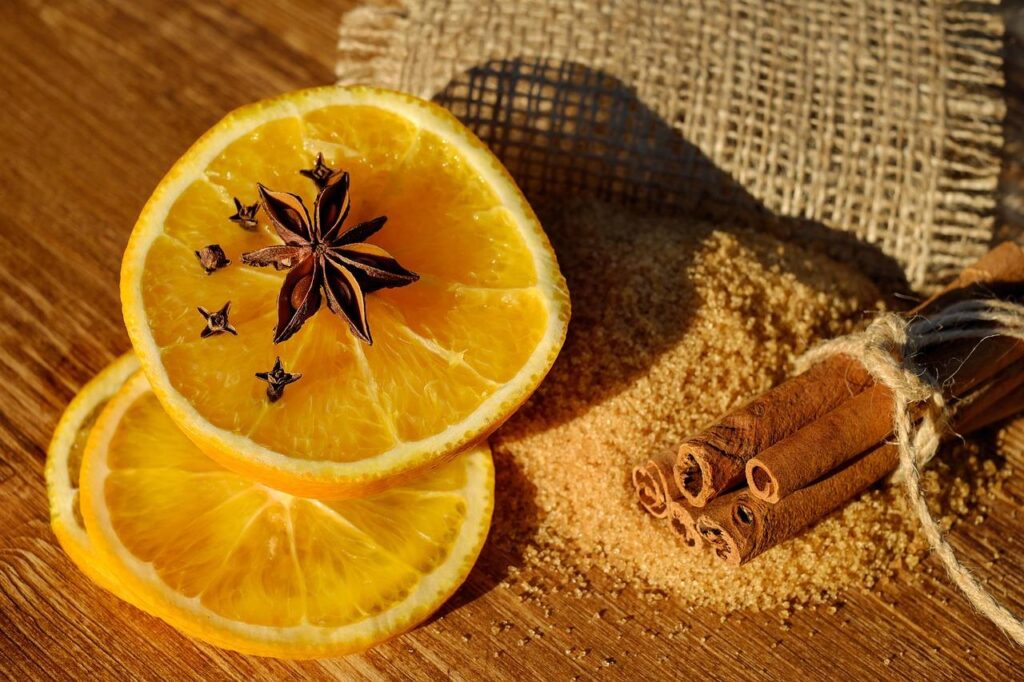
- Cut the lemon into quarters. Push the cloves into the rind of one quarter, then thinly slice the rest.
- Add the clove-studded quarter, the slices, the cinnamon stick and the sugar to the wine.
- Heat slowly until hot. Do not let it boil.
- Serve in heatproof glasses or small cups.
The recipe’s warning on step four is the one that matters: boiling drives off the alcohol1. Use the lowest heat you have and stop when it steams. Taste before you serve. The recipe gives a range of sugar, four to six tablespoons, precisely because wine varies; start at four and add to taste after the spices have had a few minutes in the pan, since the cloves and the lemon pull the flavor a long way before sweetness has to.
For a variation that is closer to what a stand pours, the same page says German stalls often add elderberry cordial or a shot of dark rum, and that you can lighten the drink with apple juice or water, with the caution that you then drink more of it. The page also says you can heat the wine in a large jug in the microwave instead of on the stove1.
My own preference is an orange in place of the lemon, or a strip of its peel beside it. The recipe uses lemon, so call that my change, not the market’s.
The five mistakes
Boiling it. The one rule on the source page, and the one everyone breaks when they walk away from the stove. If the wine is bubbling, the drink is a little thinner and a little sadder than the one you meant to make.
Spending money on the wine. A good red does not survive the cloves. Save it.
Sugar up front, all of it. Add less than the recipe’s top figure, taste, then add. You can sweeten a mug; you cannot unsweeten a pan.
Leaving the cloves in the cup. A clove is something you remove with a spoon, not something a guest bites into. Fish out the lemon quarter before the ladle goes in.
Glasses that crack. A thin glass meeting hot wine is a bad afternoon. The recipe’s fix is to put a metal teaspoon in the glass before you pour1. The better fix is a mug.
Serving and keeping it warm
Make it once, in one pan, and ladle it out rather than pouring fresh bottles through the evening. Keep the pan on the lowest heat or move it to a slow cooker on its warm setting, and if it starts to steam hard, turn it off for a few minutes. Strain or fish out the spices before it sits for hours, because the cloves keep working long after you have stopped paying attention. A wedge of orange on the rim of each mug is decoration, and nobody has ever complained about decoration.
A Kinderpunsch for the kids' table
This part is my suggestion, not a market recipe. For the children, or for the guest who is driving, warm apple juice or red grape juice with the same cloves, cinnamon and a few slices of orange. Heat it gently, do not add sugar until you taste it, and serve it in a different kind of mug so nobody swaps by accident. Germans call this sort of drink Kinderpunsch, which means children’s punch, and the idea works at any party. My Oktoberfest party drinks page has the same logic for the autumn version.
The mug
Glühwein at a market comes in a mug, and the mug is half the experience. For home use I would buy one ceramic mug per guest rather than glasses: it has a handle, so nobody holds hot glass by the bowl, and it is made for hot drinks.
Ceramic mugs sold as Glühwein mugs on Amazon ranged from about $7 to about $17 in the search results on October 13, 20262.
Resi says Buy the ceramic Gluhwein mug, one per guest, 12 ounces or thereabouts, with a handle large enough for a gloved hand. Handle size matters more than the printed winter scene. The honest limit is that they are not all alike, so read the listing for dishwasher and microwave notes before you count on either.
When you want fire
If this recipe is too quiet for the party, the version where a sugar cone burns above the wine is the Feuerzangenbowle. It is the same idea with a fuse and a safety lecture.
Frequently Asked Questions
What kind of wine do I use for Glühwein?
A cheap, dry, full-bodied red. The recipe from the German food trade asks for a full-bodied red, and nothing in it rewards an expensive bottle.
Can I boil Glühwein?
No. Heat it slowly until hot and stop. The recipe warns that boiling drives off the alcohol, and I would add that it also makes the drink taste flat.
How much sugar goes in?
Four to six tablespoons for a bottle, according to the market-stand recipe. Start at four, taste after the spices have had a few minutes, and add more if you need it.
Can I make it in the microwave?
Yes. The recipe says you can heat the wine in a large jug in the microwave instead of on the stove, which is handy when the stove is busy with something else.
What is Kinderpunsch?
The non-alcoholic version for children, made by warming juice with the same spices. It is not a market recipe I can cite; it is a suggestion that works because the spices do most of the work.
Can I keep Glühwein warm for a party?
Keep the pan on the lowest heat or in a slow cooker on its warm setting, and ladle from there. If it starts to steam hard, turn it off for a few minutes.
Do I need a special mug?
No, but a ceramic mug with a handle is more comfortable than a thin glass, and it will not crack when the hot wine goes in.
Related Articles
 A Bavarian Christmas Party: Glühwein, Lebkuchen, Weißwurst and the Krampus QuestionParty
 A Christmas Market Party at Home: Stalls, Glühwein and the Smell of Roasted AlmondsParty
- Feuerzangenbowle: Germany’s Flaming Holiday Punch, Done Safely
 Nürnberger Lebkuchen: What the Protected Name Means, and Which Box or Tin to BuyFood
 Bavarian Christmas Traditions: Advent, Krampus, Christkind and the FoodsTrachten and customs
 Christmas Markets in Bavaria: Munich, Nuremberg, Rothenburg and the DatesTrachten and customs
 Oktoberfest Party Drinks Beyond Beer: Radler, Spezi, Schnapps and the Kids’ TableParty
 German Christmas Markets in the US and Canada, by RegionParty
Sources
- Spiced Mulled Wine (Glühwein) — German Food Trade Association, germanfoods.org. Accessed 2026-10-13.
- Amazon.com search: ceramic Gluhwein mug — Amazon.com. Accessed 2026-10-13.
- Fire Tongs Punch (Feuerzangenbowle) — German Food Trade Association, germanfoods.org. Accessed 2026-10-13.