In brief
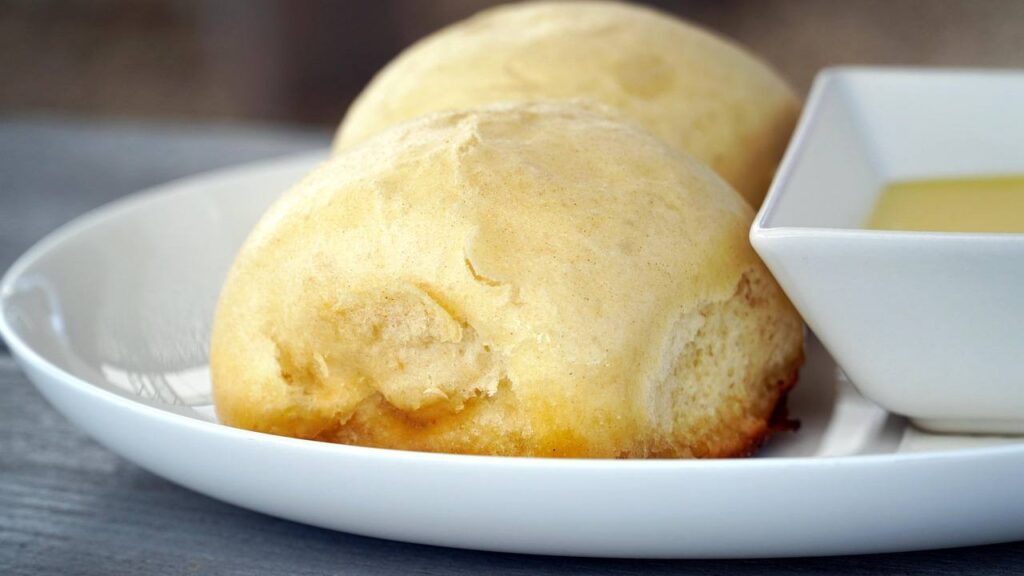
A Dampfnudel is a yeast dough dumpling steamed, not boiled, in a pot of milk until the top stays soft and the bottom browns against the pan. Bavaria’s culinary heritage register finds it across all seven of the state’s districts, served as a dessert or a sweet main course with vanilla sauce or fruit sauce. It has been in print since 1811, when “Baierische Dampfnudeln” turned up in a household cookbook, baked in milk and sugar. A heavy pot with a tight-fitting lid does the actual work here, and a 5-quart cast iron Dutch oven with a well-sealed lid lists for $59.90 as of September 2026.
Disclosure: some links on this page are affiliate links, marked by the products, tours and hotels they name. As an Amazon Associate, bavarianbistro.com earns from qualifying purchases. A purchase through these links may earn the site a commission at no cost to you, and it never affects what is recommended. How this works. Product prices and availability shown are as of the date stated and can change; the Amazon price at checkout applies.
If you have ever ordered a “steamed noodle” off a Bavarian menu expecting something out of a stir-fry and been handed a soft, fist-sized dumpling with a browned bottom instead: the name is doing you no favors, and I understand the confusion completely. A Dampfnudel is not a noodle by any definition an American kitchen would recognize, and it belongs on my guide to Bavarian food precisely because the name gives away nothing about what actually lands on the plate.
What is actually in the name
“Dampf” means steam, which is accurate: the dumpling cooks under a tight lid in a pot with milk, sugar and a little fat, never touching a boil. “Nudel” is the confusing part, since it looks like it should mean noodle, but Bavaria’s own heritage register notes that the word traces back to “Knödel,” the German word for dumpling, not to pasta at all1. Once you know that, the name stops being strange. It is a steamed dumpling, said in old German, and it has nothing to do with noodles in the American sense.
Found in every district, documented since 1811
Bavaria’s culinary heritage register lists the Dampfnudel across all seven of the state’s administrative districts, which is a wider footprint than several dishes that get talked about more1. Its written history goes back further than a lot of dishes on this site can claim: the first documented recipe for “Baierische Dampfnudeln” appears in an 1811 household cookbook, “Oekonomische Handbuch für Frauenzimmer,” which describes them baked in milk and sugar1. That makes it older on paper than the Weißwurst’s usual 1857 origin story, though nobody in Bavaria seems to make a fuss about it, probably because a dumpling is a harder thing to get sentimental about than a sausage.
The register also preserves a local saying from the Rottal region that tells you exactly how seriously the dish is taken there: “If it rained Dampfnudeln and Leberkäse snowed, one would pray to God the weather stayed that way”1. That is about as close to a Bavarian love letter to a food as this site has found, and it says more about the dish’s standing than any tourist description could.
Sweet in Bavaria, salty one border over
The version Bavaria serves is sweet: a yeast dumpling steamed in milk and finished with vanilla sauce or a fruit sauce, treated as a dessert or a sweet main course rather than a side dish1. Cross into the Palatinate, though, and the register notes a completely different animal: a “Pfälzer Dampfnudel” with a salt crust, built as a savory dish rather than a dessert1. Austria has its own cousin too, the Germknödel, and Baden-Württemberg has variants of its own1. All of them share the steaming method; none of them agree on whether the result belongs at the end of a meal or the middle of one. If you see “Dampfnudel” on a menu outside Bavaria, ask before you order, because you might get gravy where you were expecting vanilla sauce.
How it comes together
The dough is a basic sweet yeast dough, left to rise until doubled. Instead of baking it in an oven, you set the shaped dumplings into a pot with milk, a little sugar and a bit of butter or fat in the bottom, cover it tightly, and let it cook over gentle heat without ever lifting the lid to check. The milk mostly cooks away as the dumplings steam, and what is left behind fries the bottom of each dumpling against the hot pan, so you get a dumpling that is pillow-soft on top and browned and slightly crisp underneath, in the same pot, at the same time, which is the whole trick of the method.
- Make a soft, slightly sweet yeast dough and let it rise until doubled.
- Shape it into rounds and set them into a wide, heavy pot.
- Add milk, a little sugar and a knob of butter to the pot.
- Cover tightly and cook over gentle heat without lifting the lid.
- Let the milk cook away until the bottoms brown, then serve with vanilla or fruit sauce.
The pot that actually matters
This dish lives or dies on the lid. If steam escapes instead of staying trapped against the dough, the tops never puff properly, and if the pot is too thin, the bottoms scorch before the dumplings finish cooking through. A heavy pot with a lid that actually seals is not optional here the way it might be for a soup. The Lodge Cast Iron Dutch Oven with Loop Handle, in the 5-quart size, lists for $59.90 as of September 2026, and its cast iron lid sits heavy enough to hold the steam in rather than rattling it out the sides2.
Resi says Do not try this in a thin aluminum pot with a lid that does not fully seat, because you will end up with dry tops and a burned bottom at the same time, which defeats the entire point of the dish. Cast iron holds heat evenly and keeps the lid weighted down, and it is worth owning for a dozen other Bavarian dishes besides this one. My one complaint about cast iron pots in general: they are heavy enough that you will want both hands free before you try to move one off the stove.
Frequently Asked Questions
Is Dampfnudel a noodle?
No. Despite the name, it is a steamed yeast dumpling. The “Nudel” in the name traces back to “Knödel,” the German word for dumpling, not to pasta.
Is Dampfnudel sweet or savory?
In Bavaria it is sweet, served with vanilla sauce or fruit sauce as a dessert or sweet main course. A related Palatinate version, with a salt crust, is savory instead.
How old is the Dampfnudel?
The first documented recipe for a Bavarian Dampfnudel appears in an 1811 household cookbook, making it one of the older dated dishes on this site.
What makes the bottom brown?
The dumplings steam in a pot of milk under a tight lid. As the milk cooks away, the remaining fat fries the bottom of each dumpling against the hot pan while the top stays soft.
Do I need a special pot to make Dampfnudel?
You need a heavy pot with a lid that seals well. A thin pot or a loose-fitting lid will let steam escape and leave you with underdone dumplings.
Is Dampfnudel the same as Germknödel?
No, though they are related. Germknödel is the Austrian cousin of the Dampfnudel, and Baden-Württemberg has its own regional versions as well.
What is Dampfnudel served with in Bavaria?
Vanilla sauce or a fruit sauce, and it is treated as a dessert or a sweet main course rather than a side dish.
Related Articles
 Bavarian Food: The Dishes, How Munich Eats Them, and What to Cook at HomeFood
 Kaiserschmarrn: The Torn Pancake Bavaria Borrowed from AustriaFood
 Apfelstrudel: Why It Is on Every Bavarian Menu, and How the Pastry Is StretchedFood
 Bavarian Desserts: Bayrisch Creme, Kaiserschmarrn, Dampfnudel and the RestFood
 Knödel: Bread Dumplings, Potato Dumplings and Which Goes with WhatFood
 What Is Leberkäse? No Liver, No Cheese, and How Munich Eats ItFood
 How to Read a Bavarian Menu: 60 Words from Brezn to ZwetschgendatschiFood
Sources
- Dampfnudel — Genussorte Bayern, Bavarian State Ministry of Food, Agriculture and Forestry (Kompetenzzentrum für Ernährung). Accessed 2026-09-26.
- Lodge Cast Iron Dutch Oven with Loop Handle, 5 Quart — Amazon.com. Accessed 2026-09-26.