In brief
Munich has two royal palaces worth a serious visit, and most first-time travelers only have room for one. The Residenz sits in the old town, minutes from Marienplatz, and its Residence Museum costs €10 regular admission, or €15 with the Treasury, open daily from 9 a.m. to 6 p.m. in the summer season. Nymphenburg is a tram ride west of the center, a palace and park built for a different pace, with the full summer combination ticket, palace, porcelain museum and park palaces together, running €20, open the same summer hours. If you have one afternoon and no strong preference going in, the Residenz wins on time efficiency; Nymphenburg wins if you want the palace to be the whole outing rather than a stop on a longer day.
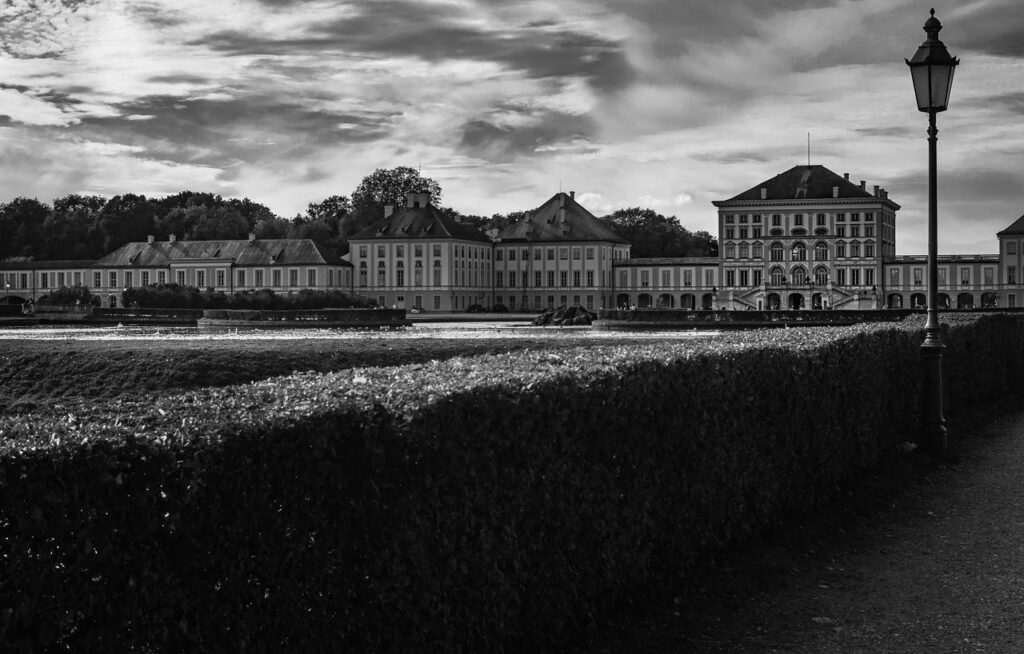
Both palaces belonged to the Wittelsbachs, the family that ruled Bavaria for more than seven centuries, and both are genuinely worth seeing. The question a one-afternoon visitor actually needs answered is not which is better, it is which fits the day you have, and the two are built for different days. This sits inside my first Munich trip guide, which has the rest of the old-town sights the Residenz sits among.
The Residenz: in the old town, and built for a shorter visit
The Residenz is the former royal palace of the Wittelsbach dukes, electors and kings, sitting a few minutes’ walk from Marienplatz, which means it costs you almost no travel time. The Residence Museum alone is €10 regular, €9 reduced; add the Treasury for €15 regular, €13 reduced; add the Cuvilliés Theatre on top of both for €20 regular, €16 reduced, and admission is free under 181. It is open daily from 9 a.m. to 6 p.m. between late March and mid-October, with last admission an hour before closing, and on a shorter winter schedule of 10 a.m. to 5 p.m. the rest of the year1. The Cuvilliés Theatre keeps its own separate hours by season and day of the week, so check those specifically if the rococo theater is the reason you are going1. Between May and early October, the Court Garden’s fountain machinery runs daily from 10 a.m. to 2 p.m., which is worth timing a garden walk around if you are visiting in that window1.
Because it sits inside the old town, the Residenz slots naturally into a day that also includes Marienplatz, the Viktualienmarkt and the Hofbräuhaus, without a special trip. That is its real advantage: not that it beats Nymphenburg on any single measure, but that it costs you nothing extra to reach.
Nymphenburg: further out, and built to be the whole afternoon
Nymphenburg was the Wittelsbachs’ summer residence, a palace and formal garden on Munich’s western edge, and it earns its own dedicated trip rather than a stop between other things. The palace, Marstallmuseum and Museum of Nymphenburg Porcelain run daily 9 a.m. to 6 p.m. from April 1 to October 15, and 10 a.m. to 4 p.m. the rest of the year2. The four park palaces scattered through the grounds, the Amalienburg, Badenburg, Pagodenburg and Magdalenenklause, are open only in the summer window, 9 a.m. to 6 p.m. between April 1 and October 15, and closed entirely in winter, which matters if a specific one of them is your reason for the trip2. The park itself keeps longer hours than the buildings, opening as early as 6 a.m. and running to 9:30 p.m. at the height of summer, with shorter hours in the darker months2.
Pricing runs on the same seasonal split as the hours: the full “Nymphenburg” combination ticket, palace, Marstallmuseum and porcelain museum, plus the park palaces, is €20 regular, €18 reduced in the summer season, dropping to €16 regular, €14 reduced once the park palaces close for winter; the palace alone is €10, and the Marstallmuseum and porcelain museum together are €82. Tickets are time-slotted with admission allowed up to an hour after your chosen time, and they are non-refundable once booked, so pick a time you can actually make2.
If you hold the Munich CityTourCard, both palaces give a small discount: €1 off individual admission or €2 off a combination ticket at either the Residenz or Nymphenburg, and a further €1.50 off entry to Nymphenburg’s Botanical Garden specifically3.
What is actually inside each one
The Residenz is dense: room after room of state apartments, the Antiquarium, the Treasury’s collection of crowns and jeweled objects, and, if you add the third ticket tier, the Cuvilliés Theatre’s rococo interior, one of the more ornate small theaters you will find in a European city. It rewards visitors who like architecture and objects in close quarters and can be seen at a brisk pace if your afternoon is short.
Nymphenburg is the opposite kind of dense. The palace itself is a single long building facing the park, most memorable for its Great Hall, and the real draw for many visitors is what surrounds it: a formal garden that runs back for a considerable distance, canals, a lake with swans, and the four small park palaces tucked into the grounds, each a different architectural mood. You cannot rush this one the way you can rush a museum floor; the walking is the point.
The verdict
If your afternoon already has other old-town stops on it, take the Residenz; it costs you no extra travel and the shorter visit fits around everything else. If the palace itself is the destination and you have three or four unhurried hours, take Nymphenburg; the park alone rewards slow walking in a way the Residenz’s courtyards do not, and the porcelain museum is worth the extra ticket if you have any interest in it at all. Doing both properly in one day is possible but tight, and turns the day into a palace marathon rather than a relaxed visit to either.
Resi says Check each palace’s current hours and ticket prices before you build the day around them; both run on a summer and winter schedule that shifts the opening times and the park-palace availability, and a plan built on last year’s hours can cost you the one building you actually came for.
Frequently Asked Questions
Which is closer to central Munich, Nymphenburg or the Residenz?
The Residenz, which sits in the old town a few minutes from Marienplatz. Nymphenburg is on the western edge of the city and needs a tram or bus ride.
Can you visit both Nymphenburg and the Residenz in one day?
Yes, but it is a full day rather than a relaxed one, since Nymphenburg alone rewards a few unhurried hours and the two sit on opposite sides of the city center.
Are the Nymphenburg park palaces open in winter?
No. The Amalienburg, Badenburg, Pagodenburg and Magdalenenklause are open only from April 1 to October 15 and closed the rest of the year.
Does the Munich CityTourCard cover palace admission?
It does not cover admission outright, but it discounts both palaces: €1 off individual tickets or €2 off combination tickets at either the Residenz or Nymphenburg, plus €1.50 off the Nymphenburg Botanical Garden.
Is the Residenz or Nymphenburg better for kids?
Nymphenburg’s park, with its lake and open grounds, generally gives children more room to move than the Residenz’s museum rooms and courtyards.
Are Nymphenburg tickets refundable?
No. Tickets are time-slotted and non-refundable once booked, with admission allowed up to an hour after your chosen entry time.
Related Articles
 Munich for a First Trip: What Is Worth It, What Is Not, and How the City WorksMunich
 Is the Munich CityTourCard Worth It? The Math for Two DaysMunich
 King Ludwig’s Castles: Neuschwanstein, Linderhof, Herrenchiemsee and Schachen, Now a UNESCO SiteBavaria
 The Viktualienmarkt: Munich’s Food Market and Its Beer GardenMunich
 Is the Hofbräuhaus Worth It? An Honest Look at Munich’s Most Famous Beer HallBeer
 Sundays in Munich: What Is Closed, What Is Open, and the One-Euro MuseumsMunich
 Munich with Kids: The Zoo, the Deutsches Museum, the Beer Gardens with PlaygroundsMunich
Sources
- Opening hours, Residenz Museum and Treasury — residenz-muenchen.de; Munich Residenz — Bavarian Palace Administration. Accessed 2026-09-24.
- Opening hours, Nymphenburg Palace and Park — schloss-nymphenburg.de; Admission, Nymphenburg Palace — schloss-nymphenburg.de. Accessed 2026-09-24.
- Partner list — Munich CityTourCard. Accessed 2026-09-27.